E-Commerce: A Comprehensive Guide to Its Types, Benefits, and How to Get Started
E-commerce has become one of the most important ways to establish businesses and increase sales in the digital age. Individuals and companies can showcase their products and services and reach customers online without necessarily needing a traditional physical store. With the development of electronic payment methods, online selling platforms, and shipping services, starting an online business has become easier than ever. However, it still requires careful planning and a good understanding of the market. So, what is e-commerce, how does it work, what are its types and benefits, and how can you start a successful online business?
In other words, e-commerce is an important part of digital business activities, while digital commerce can cover a broader range of ways to use technology to manage and develop a business.
You should select the metrics that align with your business objectives, review them regularly, and use them to make meaningful improvements.
What Is E-Commerce?
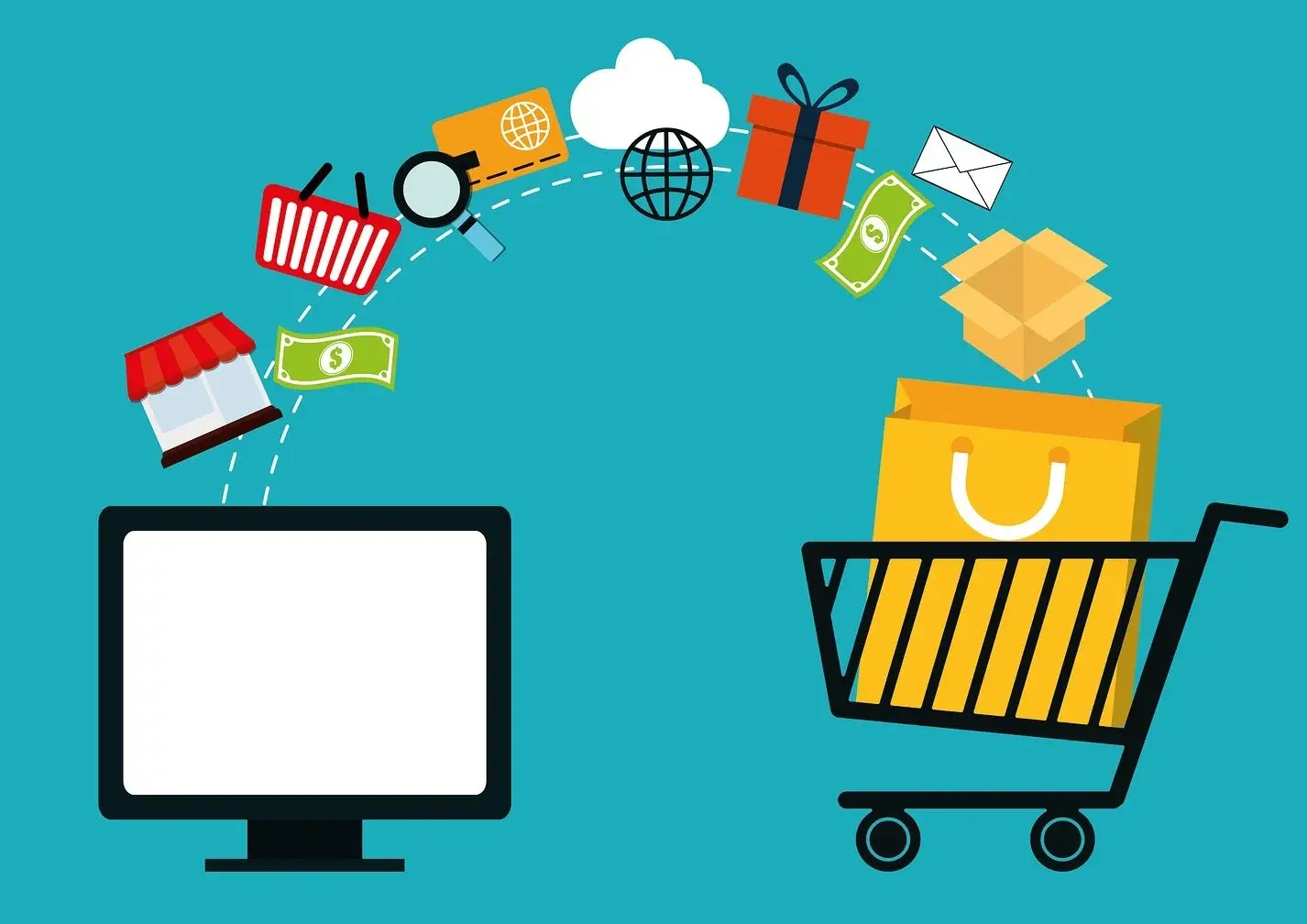
E-commerce (Electronic Commerce) refers to the process of buying and selling products or services over the internet through websites, applications, or digital platforms. It includes activities such as displaying products, receiving orders, processing electronic payments, managing shipping, communicating with customers, and tracking sales transactions. E-commerce allows individuals and businesses to conduct commercial transactions without requiring buyers and sellers to be in the same physical location. This provides greater flexibility in selling and reaching different markets. Products sold online may include physical goods such as clothing and electronics, digital products such as e-books and training courses, or services such as consulting, design, and marketing. E-commerce is not limited to creating an online store. It can also take place through online marketplaces, applications, social media platforms, and other channels that allow businesses to display products and receive purchase orders.How Does E-Commerce Work?
E-commerce operates through a series of interconnected steps that make online buying and selling possible. These steps typically include:- Displaying Products or Services: The seller lists products or services on an online store or selling platform, providing images, descriptions, and prices.
- Customer Product Selection: The customer browses the available products, chooses what meets their needs, and adds it to the shopping cart.
- Placing an Order: The customer enters the shipping details, selects a payment method, and confirms the order.
- Payment Processing: Payment is completed using an available method, such as bank cards, digital wallets, or other payment options.
- Order Preparation: The store prepares and packages the product and arranges the shipping process.
- Product Delivery: The order is sent to the customer through a shipping company or an appropriate delivery service.
- After-Sales Service: The store communicates with the customer when necessary to handle inquiries, returns, exchanges, or other issues.
What Are the Types of E-Commerce?
E-commerce can be classified according to the parties involved in buying and selling, meaning the relationship between businesses and consumers, businesses and other businesses, or individuals. Understanding these types helps you choose the right business model for your project.1. Business-to-Business (B2B) E-Commerce
The B2B (Business to Business) model refers to commercial transactions between one business and another. Examples include selling equipment, raw materials, software, or professional services to companies. For example, a company specializing in office equipment may sell its products to organizations, while a software company may provide a management system for factories and retail stores. This type of e-commerce often involves larger orders, longer sales cycles, and purchasing decisions that may require approval from multiple people within an organization.2. Business-to-Consumer (B2C) E-Commerce
The B2C (Business to Consumer) model is the most common type of e-commerce among online shoppers. It involves businesses selling their products or services directly to end consumers. Examples include online stores selling clothing, electronics, perfumes, furniture, household items, and other products to individuals. The success of this model depends on product quality, the shopping experience, pricing, delivery speed, customer service, and digital marketing.3. Consumer-to-Consumer (C2C) E-Commerce
C2C (Consumer to Consumer) refers to individuals selling products or services to other individuals, usually through an intermediary platform that allows users to list their products and communicate with potential buyers. Examples include selling used furniture, electronics, or personal belongings through classified advertising platforms and online marketplaces. These platforms provide a shared space for sellers and buyers and may offer services such as listing management, user ratings, and payment and delivery facilitation.4. Consumer-to-Business (C2B) E-Commerce
In the C2B (Consumer to Business) model, an individual provides a product, service, or value to a company, which then purchases or benefits from it. Examples include a freelance designer providing design services to a company, a photographer selling images to commercial organizations, or a content creator offering advertising services to brands. This model reflects the growth of online work and selling opportunities, allowing individuals to reach businesses without having to work in traditional employment arrangements.5. Business-to-Government (B2G) E-Commerce
The B2G (Business to Government) model refers to transactions between businesses and government entities through the provision of products, services, or technical solutions. These transactions may take place through electronic platforms dedicated to government tenders and contracts. Examples include providing technical solutions, developing systems, supplying equipment, or implementing specialized projects for government entities.6. Government-to-Consumer (G2C) E-Commerce
The G2C (Government to Consumer) model involves government entities providing services to individuals through digital platforms. Examples include paying fees, issuing documents, submitting applications, and making inquiries about government services. This model relies on digital tools to make services more accessible and reduce traditional administrative procedures. Learn more: Best Company to Help You with Real Estate Marketing Through Social Media PlatformsWhat Is the Difference Between E-Commerce and Digital Commerce?
Many people use the terms e-commerce and digital commerce interchangeably, but there are differences in the scope of activities covered by each term. E-commerce primarily focuses on buying and selling products and services online, including displaying products, receiving orders, processing payments, and arranging delivery. Digital commerce, on the other hand, may have a broader meaning. It can include business activities and processes that rely on digital technologies, such as electronic customer management, digital services, data analytics, automation, and interaction across digital platforms, in addition to online sales.| Comparison | E-Commerce | Digital Commerce |
| Definition | Buying and selling over the internet | Using digital technologies in business activities |
| Focus | Transactions, orders, and sales | Broader digital processes, experiences, and activities |
| Examples | Online store, online marketplace | Digital services, business automation, e-commerce |
| Scope | Usually associated with online selling | May extend to other digital business activities |
| Objective | Facilitating buying and selling and generating revenue | Improving business operations through digital technologies |
What Are the Benefits of E-Commerce?
E-commerce offers several advantages that have made it an important option for businesses and individuals looking to sell products or services. Some of its main benefits include:Reaching More Customers
Selling online makes it possible to reach customers in different locations without limiting the store to a single geographical area. Businesses can gradually expand their operations according to their capabilities and plans.Selling Around the Clock
Customers can browse an online store, view products, and place orders at any time, even outside regular business hours. This gives the store an opportunity to receive orders throughout the day.Reducing Certain Operating Costs
E-commerce may help reduce the costs associated with operating a traditional physical store, such as certain commercial premises and setup expenses. However, important costs still remain, including marketing, storage, shipping, platform fees, and customer service.Easily Displaying and Updating Products
Businesses can quickly change prices, add products, update images and descriptions, and launch new offers without having to reorganize a physical retail space.Accessing Customer Data
Online platforms provide data that helps businesses understand visitor behavior, the products customers are most interested in, traffic sources, and purchase rates. This information supports better customer experiences and more informed business decisions.Making Product Comparisons Easier
Customers can browse multiple products, compare specifications and prices, and read buyer reviews, helping them make purchasing decisions that suit their needs.Offering Diverse Marketing Methods
Businesses can use search engines, paid advertising, social media, content marketing, email marketing, and other channels to reach potential customers.Flexibility in Business Development
Businesses can start with a limited number of products and expand gradually, test new products, or develop different offers based on demand and performance.What Are the Disadvantages and Challenges of E-Commerce?
Despite its many benefits, e-commerce comes with challenges that business owners should understand and prepare for before starting to sell online.Intense Competition
An online store may face competition from many other stores offering similar products. Therefore, it needs a clear competitive advantage, whether in quality, pricing, service, delivery speed, or the overall shopping experience.Inability to Inspect Products Before Purchase
In many cases, customers cannot touch or try a product before buying it. For this reason, stores need clear images, accurate descriptions, complete measurements and specifications, and transparent exchange and return policies.Shipping and Delivery Challenges
Delayed orders, damaged products, or high shipping costs can negatively affect the customer experience and satisfaction. Businesses should therefore choose suitable delivery partners and carefully monitor shipping operations.Security Risks and Fraud
Online stores may be exposed to hacking attempts, data theft, or suspicious payment transactions. Protecting customer data, using secure payment solutions, and implementing appropriate security measures are essential.The Need for Continuous Marketing
Having an online store does not mean customers will automatically find it. A business needs ongoing marketing activities to build awareness, attract traffic, and convert visitors into buyers.Inventory and Order Management
Poor inventory management may result in selling unavailable products, delaying orders, or accumulating unsold stock. Retailers therefore need a system that helps them monitor inventory and orders and keep product information up to date.Building Customer Trust
Customers may hesitate to buy from an unfamiliar store, particularly when there is insufficient information about the business, contact methods, return policy, or payment options. Building trust requires transparency, reliability, and good service.How Do You Start a Successful E-Commerce Business?
If you are considering selling online, it is best to follow clear steps that help you understand the market, test your idea, and reduce risks rather than launching a store and purchasing large quantities of products without proper research.Step 1: Choose Your Business Idea and Products
Identify the products or services you want to sell, and look for a customer problem or need that your business can address. Do not rely solely on a product’s popularity. Instead, understand what will enable you to offer it in a better or different way. You could start in a field such as clothing, personal care, household products, specialized goods, or digital products, depending on your experience and resources.Step 2: Research the Market and Competitors
Research market demand, customer characteristics, prevailing prices, popular products, and how competitors present their products. Market research helps you identify opportunities to stand out, understand potential challenges, and choose the customer segment you want to target instead of trying to sell to everyone.Step 3: Identify Your Target Audience
Define your potential customers based on their needs, interests, purchasing power, geographical location, and internet usage habits. This helps you choose suitable products, create more effective marketing messages, and identify the channels through which you can reach them.Step 4: Choose Your Selling Method and Platform
You can sell through an independent online store, an online marketplace, social media platforms, or a combination of several channels. Your platform choice depends on the type of products, business size, budget, and how much control you need over store design, data, customer experience, and order management.Step 5: Prepare Your Products and Content
Make sure you provide clear images, accurate descriptions, transparent prices, information about sizes or specifications, and details about shipping and returns. Good content reduces repetitive customer questions, helps shoppers understand the product, and increases the chances of completing a purchase.Step 6: Set Up Payment and Shipping Methods
Choose payment methods that suit your target audience and ensure they are easy and secure to use. You should also define shipping options, costs, expected delivery times, and order-tracking procedures. The clearer and easier the payment and delivery process is, the better the customer experience will be and the lower the likelihood of shopping cart abandonment.Step 7: Develop a Marketing Strategy
Create a plan to attract customers to your store. This may include search engine optimization, paid advertising, social media marketing, content marketing, and email marketing. Set measurable objectives, start testing suitable channels, and then focus on the activities that deliver the best results.Step 8: Monitor Results and Improve Your Store
After launching your store, monitor traffic, orders, conversion rates, customer acquisition costs, best-selling products, and customer feedback. Use this data to improve your products, optimize store pages, adjust marketing campaigns, and enhance the shopping experience. Learn more: How to Improve Your Visibility in Search EnginesWhat Are the Most Important E-Commerce Platforms in Saudi Arabia?
The right platform depends on the nature of your business and whether you want to create an independent online store or sell through an established marketplace.Online Store-Building Platforms
Store-building platforms allow merchants to create their own online stores, add products, manage orders, integrate payment and shipping services, and customize the store interface to match their brand identity. Some options that business owners can consider for the Saudi market include:- Salla: A platform that provides tools for creating and managing online stores.
- Zid: A platform specializing in building online stores and managing e-commerce operations.
- Shopify: A global platform for creating online stores and managing online sales.
- WooCommerce: An e-commerce plugin that works with WordPress and offers considerable flexibility in store design and product management.
Online Marketplaces
You can also sell products through online marketplaces that bring together multiple sellers and provide customers with a single place to search, compare, and purchase products. Examples include:- Amazon.sa: An online marketplace that provides access to a broad audience of shoppers in Saudi Arabia.
- Noon: An online shopping platform offering a wide range of product categories.
What Payment Methods Are Used in E-Commerce?
Offering different payment methods makes purchasing easier and gives customers options that suit their needs. Some of the main payment methods that online stores may provide include:Bank Cards
These include credit and debit cards, allowing customers to pay for their orders directly through the payment gateway connected to the store.Digital Wallets
Digital wallets provide a fast payment experience on compatible devices and may reduce the need to enter payment details for every purchase.Bank Transfers
Some stores accept bank transfers, particularly for large orders or transactions that require special arrangements.Cash on Delivery
This may be a suitable option for certain customers or products, but it requires effective management to reduce uncollected orders and return shipping costs.Buy Now, Pay Later Services
Some payment solutions allow customers to spread the cost of a purchase across installments, subject to the service’s available terms. Merchants should evaluate the fees, contractual conditions, and impact on profit margins. Stores should choose reliable payment methods, clearly explain available options and any potential fees, and ensure that financial information is protected. Read also: Social Media Account Management ServicesWhat Are the E-Commerce Requirements in Saudi Arabia?
Operating an e-commerce business in Saudi Arabia requires compliance with the regulations and procedures related to commercial activities, consumer protection, data, payments, and commercial rights. Requirements vary according to the type of business, the nature of the products or services, the business entity, and the way sales are conducted. Therefore, you should verify the current requirements through official government authorities before launching your project. Some of the key areas to consider include:Registering the Business and Operating Legally
You must ensure that you meet the regulatory requirements for conducting commercial activities, select the appropriate business activity, and complete any registrations or licenses required for your specific business.Providing Clear Store Information
You should provide clear information about the store, contact methods, product or service details, prices, and customer policies.Explaining Exchange and Return Policies
Return, exchange, and cancellation terms should be clearly stated and comply with relevant regulations, allowing customers to understand their rights and obligations before completing a purchase.Protecting Customer Data
Customer data must be handled responsibly. Businesses should protect personal information and use secure technical solutions for managing orders, payments, and communication.Complying with Consumer Rights
Businesses should provide accurate product information, avoid misleading advertisements, comply with their published terms, and handle customer complaints transparently.Meeting Tax Requirements
You should verify the tax obligations applicable to your business based on the nature and size of the establishment and comply with invoicing and other relevant requirements. Do not rely on a general checklist as a substitute for official verification. Requirements for establishing and operating an online store may vary depending on the business activity, legal entity, and applicable regulations.How Do You Market an Online Store?
Creating an online store and displaying products is not enough. A business needs a marketing strategy that helps attract its target customers and convert website visits into sales.Search Engine Optimization (SEO)
Search engine optimization helps online store and product pages appear in search results when users look for related products or information. This includes optimizing product pages, selecting relevant keywords, creating useful content, improving website speed and user experience, and establishing a clear page structure.Social Media Marketing
Social media platforms allow businesses to display products, build customer relationships, publish content, interact with audiences, and use advertising to reach specific customer segments. Depending on the nature of the business, stores can use images, videos, educational content, customer experiences, and promotional offers.Paid Advertising
Paid advertising helps businesses reach targeted audiences quickly. It can be used to promote products, increase website traffic, generate sales, or retarget people who have previously visited the store. Advertising performance should be monitored using metrics such as cost per click, conversion rate, customer acquisition cost, and return on ad spend.Content Marketing
Content helps provide customers with useful information, answer their questions, and guide them in choosing products. An online store can publish buying guides, articles, comparisons, videos, and content explaining how products work and what benefits they offer.Email Marketing
Email marketing allows businesses to communicate with customers who have agreed to receive messages. Stores can send product updates, offers, information, order follow-ups, and abandoned cart recovery campaigns, depending on the store’s settings.What Are the Most Important Factors for E-Commerce Success?
The success of an e-commerce business does not depend on the product alone. It relies on several factors that affect customer experience, operational efficiency, and the ability to generate sustainable sales.Choosing the Right Products
Products should offer genuine value, have sufficient market demand, and have costs that are compatible with their expected selling prices and profit margins.Providing an Easy User Experience
The store should be clear and easy to navigate, with understandable product pages, simple checkout steps, and a user experience optimized for mobile devices.Effective Customer Service
Fast responses, problem resolution, clear order updates, and professional complaint handling all help build customer trust.Reliable Shipping and Delivery
On-time delivery, appropriate packaging, easy order tracking, and effective returns management are all factors that directly affect customer satisfaction.Data-Driven Marketing
Marketing decisions should be based on actual results rather than guesswork. Analyzing traffic, sales, and customer behavior helps improve campaigns and the overall store experience.Building Trust and a Good Reputation
Clear store information, honest product descriptions, customer reviews, and keeping promises all help strengthen trust and turn first-time buyers into repeat customers.What Performance Indicators Should You Measure in an Online Store?
Performance indicators help you understand how successful your store and marketing activities are. Some of the most important metrics include:| Performance Indicator | What Does It Measure? |
| Website Traffic | The volume of visitors reaching the store |
| Conversion Rate | The percentage of visitors who complete a purchase |
| Average Order Value | The average amount spent per order |
| Customer Acquisition Cost (CAC) | The cost of acquiring a new customer |
| Cart Abandonment Rate | The percentage of customers who add products to their carts but do not complete the purchase |
| Repeat Purchase Rate | How often customers return to make additional purchases |
| Return on Ad Spend (ROAS) | Revenue generated compared with advertising expenditure |
| Return Rate | The percentage of orders that are returned |